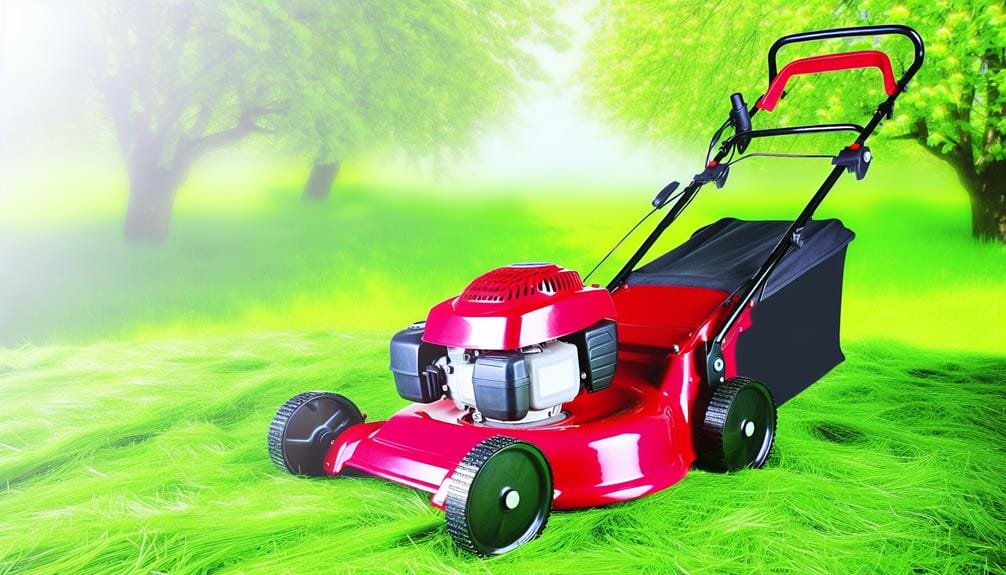
Five years ago, this was a straightforward conversation. Petrol mowers were more powerful, ran longer, and handled tough grass better. Battery mowers were convenient but underpowered — fine for a small, tidy lawn and not much else.
In 2026, that gap has narrowed dramatically. Battery technology has improved to the point where a good cordless mower will handle 90% of UK gardens without breaking a sweat. But petrol still has its place, and buying the wrong type for your situation is an expensive mistake.
Here's an honest comparison based on real-world use, not spec sheets.
Modern brushless motors and high-capacity lithium-ion batteries have transformed cordless mowers. The current generation from brands like EGO, Greenworks, and Milwaukee offers:
Petrol isn't dead. For certain situations, it remains the better tool:
| Battery | Voltage | Typical Runtime | Approx. Garden Size |
|---|---|---|---|
| 2.5Ah | 36V | 20–25 mins | Up to 150m² |
| 4.0Ah | 36V | 30–40 mins | Up to 250m² |
| 5.0Ah | 56V | 40–50 mins | Up to 400m² |
| 7.5Ah | 56V | 55–70 mins | Up to 600m² |
| Petrol (1L tank) | N/A | 60–90 mins | 600m²+ |
Runtimes are approximate and depend on grass condition, cutting height, and mowing speed. Wet or thick grass reduces battery runtime by 15–20%.
The upfront price difference isn't the whole story. Here's a realistic cost breakdown over five years for a mid-range model in each category:
| Cost | Petrol Mower | Battery Mower |
|---|---|---|
| Purchase price | £250 | £350 |
| Fuel (5 years) | £120–£180 | £15–£25 (electricity) |
| Oil + filters (5 years) | £40–£60 | £0 |
| Spark plugs (5 years) | £15–£25 | £0 |
| Replacement battery | N/A | £100–£180 (after 3–4 yrs) |
| Blade sharpening | £30 | £30 |
| Total (5 years) | £455–£545 | £495–£585 |
Over five years, the total cost of ownership is remarkably similar. The battery mower costs more upfront but saves on fuel and servicing. The big variable is the replacement battery — if your battery lasts the full five years (some do), the cordless option works out cheaper overall.
This is where cordless really pulls ahead for people who don't enjoy maintenance.
| Task | Petrol | Battery |
|---|---|---|
| Oil change | Annually | Not needed |
| Spark plug | Annually | Not needed |
| Air filter | Clean every 25 hrs, replace annually | Not needed |
| Fuel management | Drain/stabilise for winter | Not needed |
| Blade sharpening | Every 20–25 hours | Every 20–25 hours |
| Deck cleaning | Regular | Regular |
| Annual service time | 45–60 minutes | 15–20 minutes |
A petrol mower needs a proper annual service — oil, plug, filter, fuel system check. A cordless mower just needs the blade done and the deck cleaned. For people who want to mow the lawn and not think about it the rest of the time, that difference matters.
This often gets overlooked, but it's a genuine quality-of-life factor.
If you live in a terraced or semi-detached house with close neighbours, the noise difference alone might swing your decision.
For the average UK garden — say 100–400m² of relatively flat lawn — a cordless mower is now the smarter buy in 2026. The technology has caught up, the running costs are lower, and the convenience of press-button starting with zero maintenance is hard to argue against.
But if you've got a big garden, or you mow professionally, or you just prefer the feel and sound of a petrol engine — it's still a perfectly valid choice. The best mower is the one that fits your garden and your patience for maintenance. Don't let anyone tell you otherwise.