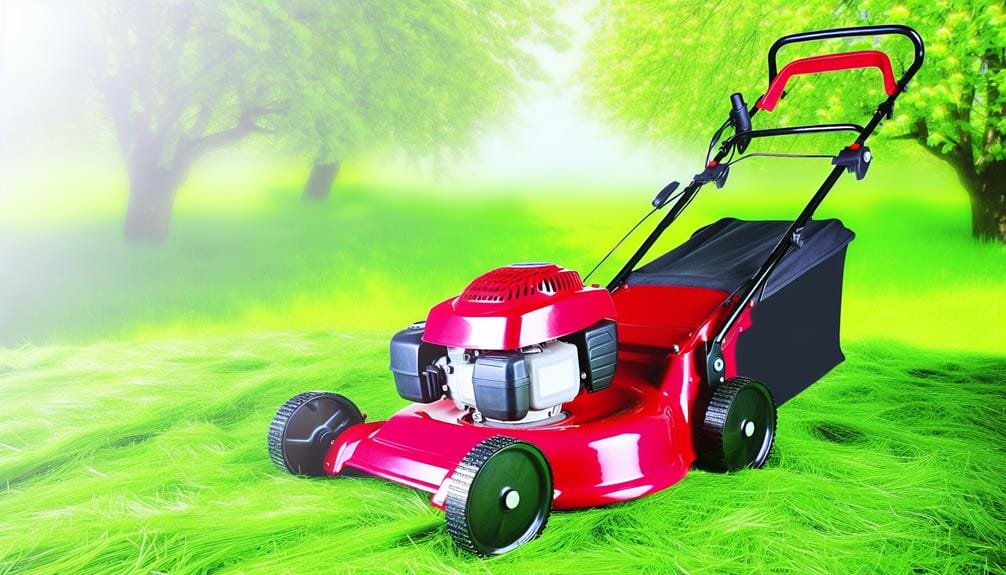
The last mow of the season usually happens sometime in October or November. After that, your mower sits untouched for four or five months — and what you do (or don't do) before putting it away makes a real difference to how it performs next spring.
I lost a season to stale fuel once — the carburettor was completely gummed up and cost me £65 to get cleaned. Now I have a checklist taped to my shed door, and I run through it every year. Takes about 30 minutes and saves a lot of grief.
Here's the full routine, broken down by mower type.
Petrol mowers need the most attention. The engine has several systems that can deteriorate over winter if you skip the prep.
This is the single most important step. You have two options:
Option A — Drain the tank and run the carburettor dry. Siphon or pour out all the fuel, then start the engine and let it run until it stalls. This ensures no fuel is left sitting in the carburettor jets over winter.
Option B — Add fuel stabiliser. Pour in the correct amount of stabiliser, fill the tank, then run the engine for a few minutes so the treated fuel circulates through the carburettor.
[amazon box="B07L9P3WGP"]
Important warning about E10 fuel: Since September 2021, standard UK petrol is E10, which contains up to 10% ethanol. Ethanol absorbs moisture and degrades faster than the old E5. Left in a mower over winter, E10 fuel can corrode internal components, block jets, and cause hard starting. If you're using the stabiliser route, make sure the product specifically handles ethanol blends. Or better yet, use alkylate fuel (like Aspen 4) which contains no ethanol and stores for years.
Run the engine for a couple of minutes to warm the oil (warm oil drains more completely), then tip the mower and drain into a container. Refill with fresh SAE 30 or 10W-30 oil — check your manual for the spec. Don't leave old, dirty oil sitting in the engine over winter; it contains acids and contaminants that can corrode internal surfaces.
Paper filters — replace. Foam filters — wash in warm soapy water, dry thoroughly, and re-oil lightly with engine oil. A clean filter is one less thing to worry about in spring.
Pull the spark plug and inspect it. If it's heavily fouled, cracked, or has a worn electrode, replace it (most mowers use a standard NGK or Champion plug, around £3–5). If it looks okay, clean it with a wire brush and re-gap it. Either way, reconnect the lead loosely so the engine can't accidentally fire during storage.
Scrape off all the built-up grass. This is a job most people skip, and the caked grass holds moisture against the deck all winter, causing rust. A paint scraper or old wallpaper stripper works well. Once clean, spray the underside with WD-40 or a light oil to prevent corrosion.
End of season is the ideal time to sharpen your blade. The blade is already dirty and due for attention, and you'll have a sharp blade ready to go in spring without the rush.
Cordless mowers are simpler to store, but the battery needs specific care.
Lithium-ion batteries should be stored at around 40–60% charge — NOT fully charged and NOT empty. A full charge or a dead-flat state over months causes cell stress and reduces long-term capacity. Most manufacturers recommend 50% as the sweet spot.
Remove the battery from the mower and store it indoors, somewhere dry and above freezing. A shelf in the house, garage, or heated workshop is fine. Don't leave it in an unheated shed where temperatures drop below zero — lithium cells don't like deep cold.
Same as petrol — scrape off all the grass, wipe down, and spray with WD-40. Cordless mowers often have plastic decks which are less prone to rust, but caked grass still harbours moisture.
Cordless mower blades dull just the same as petrol ones. Sharpen or replace before storing.
Use a dry cloth to clean the battery terminals on both the battery and the mower. Dirty contacts can cause connection issues when you fire it up again in spring.
A dry shed or garage is ideal. If your shed leaks, invest in a proper mower cover — not a bin bag, which traps condensation and makes things worse. Proper breathable covers cost around £15 and do the job properly.
Check the wheels for damage or seized bearings. If you have a corded mower, inspect the cable for nicks or cracks — damaged insulation should be replaced before next season, not repaired with tape.
A squirt of light machine oil on wheel axles, height adjustment levers, and any pivot points keeps things moving freely. Five minutes now prevents seized mechanisms in spring.
When March or April rolls around:
Realistically? You'll probably get away with it once. Maybe twice. But sooner or later:
Thirty minutes of prep in autumn saves a trip to the repair shop and a mower that's ready to go the moment you need it. Well worth doing.