UK Buyer's Guide · Updated June 2026
Best Self-Propelled Cordless Lawn Mowers UK 2026
Once your lawn slopes, or pushes past 400 m², or the mower itself starts to feel heavy, a self-propelled cordless mower changes the job completely. The mower drives its own wheels and you simply steer - no shoving 20-odd kilos uphill in the heat. These four are the self-propelled cordless mowers we would put on a UK shortlist for a large garden in 2026.
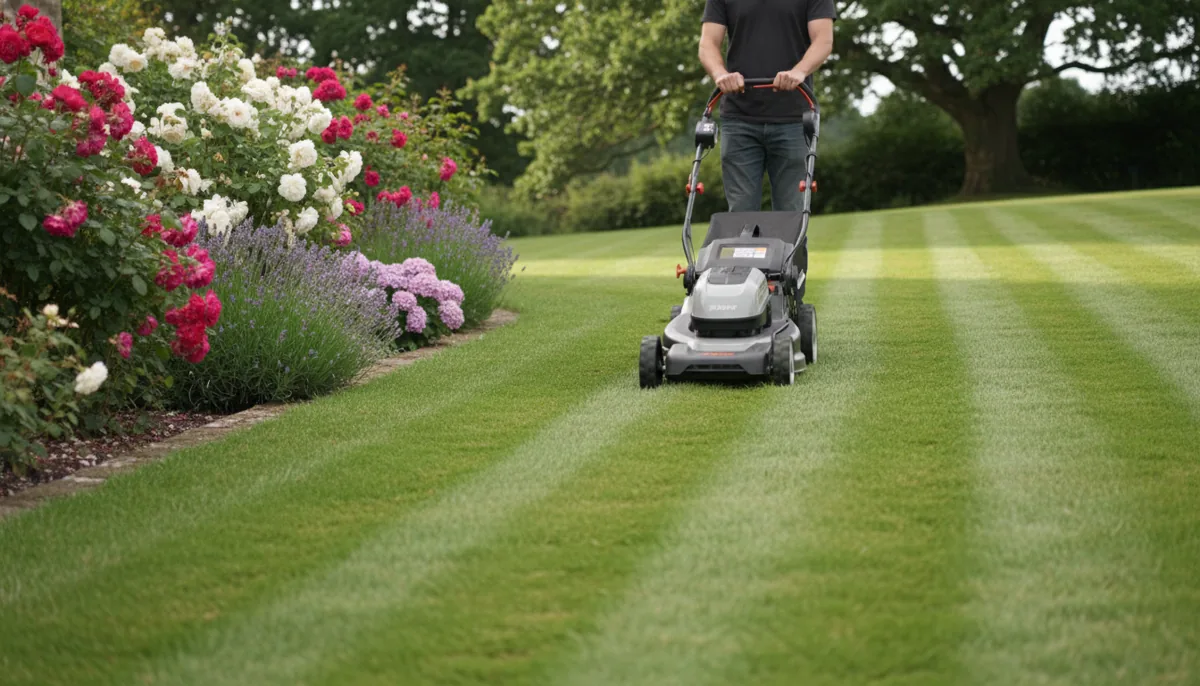
Is self-propelled actually worth it?
Self-propelled drive is not free - it adds cost, weight and complexity - so it only makes sense when the lawn asks for it. Three things make it worth the money:
- Slopes. Pushing a heavy mower uphill is the single most tiring part of mowing. A driven mower removes it entirely. If any part of your lawn is on an incline, this alone can justify the upgrade.
- Size. Past roughly 400 m² you are walking a long way behind the mower every week. The drive sets the pace and saves your legs over a big lawn.
- Mower weight. The larger-deck, higher-voltage mowers that suit big lawns are heavy - 22 kg and up. At that weight, a push mower is hard work; the drive makes a heavy machine feel light.
On a flat lawn under about 300 m², skip it. A push mower is lighter, cheaper and simpler, and you will not miss the drive. For everyone with a hill, a big lawn or a heavy mower, read on.
The best self-propelled cordless mowers
Four self-propelled cordless mowers we are happy to recommend, ordered by who each one suits best. Tap any pick to read the full review.
| Model | Voltage | Cut width | Weight | Price band | Buy |
|---|---|---|---|---|---|
| EGO LM2122E-SP | 56 V | 52 cm | 25.5 kg | £499-£599 | Check price |
| Ryobi RY18LMX40A | 18 V | 40 cm | 16.8 kg | £269-£329 | Check price |
| Makita DLM480 | 36 V (2x18V) | 48 cm | ~22 kg | £399-£499 | Check price |
| Hyundai HYM80Li460SP | 80 V | 46 cm | ~24 kg | £399-£549 | Check price |
Specs from manufacturer data and verified owner reviews. Weights include battery where stated by the manufacturer. Prices are typical UK bands, not live prices.
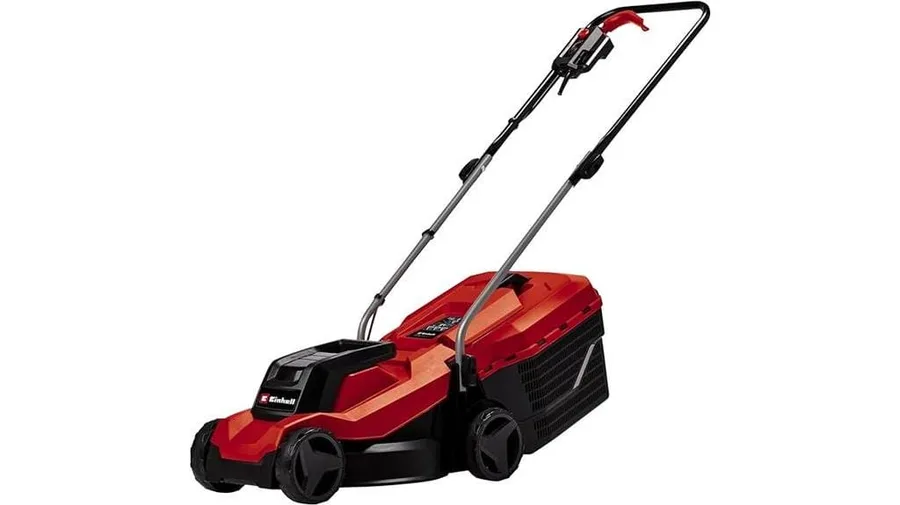
EGO LM2122E-SP
EGO
For a large UK lawn - anything from 500 m² up to around 800 m² - the EGO LM2122E-SP is the self-propelled cordless we recommend first. The 56V motor delivers genuinely petrol-rivalling torque, so long, damp grass that stalls smaller cordless mowers does not faze it, and the variable-speed drive turns a sloping 600 m² lawn from a chore into a walk. Manufacturer runtime on the 5.0 Ah pack covers a typical large garden on one charge. It is not cheap, but it is the cordless that finally makes ditching petrol feel like an upgrade rather than a compromise.
Pros
- + 56V Arc Lithium - the closest cordless gets to petrol torque
- + Variable-speed self-propelled drive that handles slopes
- + 52 cm deck and IPX4 rain rating
Cons
- − Expensive, especially in a kit with battery
- − Heavy to lift if you need to carry it
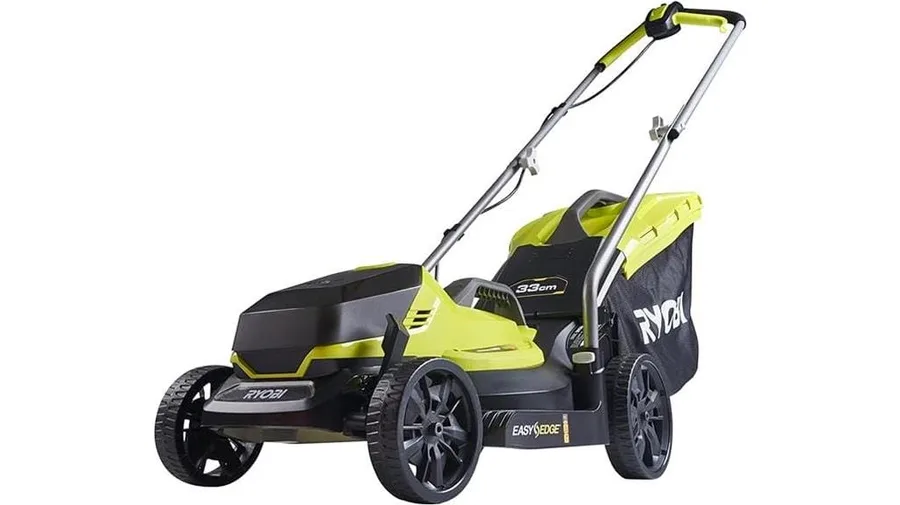
Ryobi RY18LMX40A-150
Ryobi
For the huge number of UK households already invested in the Ryobi ONE+ system, the RY18LMX40A is the cheapest sensible way into a self-propelled cordless mower. Buy it bare-tool and you are using batteries you already own. The brushless motor and 40 cm deck suit a medium-to-large lawn well, and the drive takes the strain out of a longer mow. It is not as muscular as a 56V EGO on rough grass, but for a regularly mown 400-500 m² lawn it is excellent value.
Pros
- + Self-propelled drive at a genuinely affordable price
- + Brushless motor and 40 cm deck
- + Runs on 18V ONE+ - 200+ compatible tools
Cons
- − Twin 18V packs work harder on long, wet grass than 56V
- − Drive speed not as smooth as the EGO
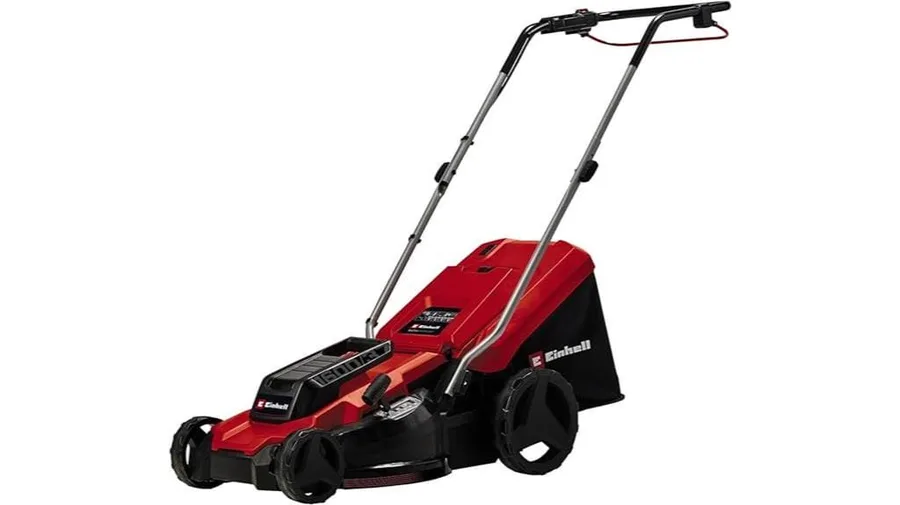
Makita DLM480 (twin 18V LXT)
Makita
If you already own Makita LXT batteries - and a lot of UK tradespeople and serious DIYers do - the DLM480 turns that platform into a properly capable self-propelled mower. It feels built to last, the 48 cm deck clears a large lawn quickly, and twin 18V packs give it real cutting power. The catch is price and weight: it is a trade-grade machine at a trade-grade cost. For LXT households mowing 400 m² and up, it makes a lot of sense.
Pros
- + Built like a trade tool - metal where it matters
- + Runs on two 18V LXT packs, the biggest tool platform around
- + Self-propelled with a wide 48 cm deck
Cons
- − Premium price for the body-only kit
- − Heavier than single-platform rivals
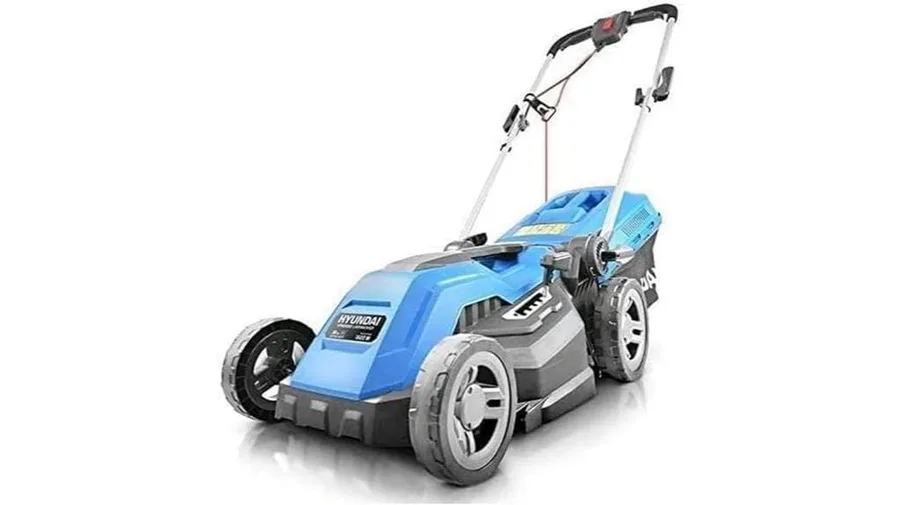
Hyundai HYM80Li460SP (80V)
Hyundai
Hyundai's 80V system is the value route to high-voltage cordless power. The HYM80Li460SP pairs a strong 80V motor with a 46 cm deck and a self-propelled drive, and it typically costs less than an EGO of similar capability. The trade-off is a smaller battery ecosystem - you are not buying into a big shared tool platform - and build that sits a notch below Makita or EGO. But for a large lawn where you want torque without the EGO price tag, it is worth a look.
Pros
- + 80V platform for strong torque on long grass
- + Large 46 cm deck and self-propelled drive
- + Often undercuts EGO on price for the power on offer
Cons
- − Smaller battery ecosystem than EGO or Ryobi
- − Build feels a step below the trade brands
How to choose a self-propelled cordless mower
Voltage first - torque drives everything
On a big lawn the motor has to turn the blade and the wheels at the same time, so torque matters more than it does on a small mower. The EGO's 56V and Hyundai's 80V give the most cutting power for long or wet grass. Twin-18V systems - Ryobi ONE+ and Makita LXT - pair two packs to reach 36V of cutting power, which is ample for a lawn you keep on top of. Below that, a self-propelled mower will labour on a demanding lawn.
Match the deck to the lawn
For a large garden, a 40-52 cm deck clears the ground in fewer passes. Wider is faster but heavier and harder to manoeuvre around obstacles. The EGO's 52 cm and Makita's 48 cm decks are built for open lawns; the Ryobi's 40 cm suits a medium-to-large garden with more borders and corners.
Variable-speed drive is worth having
The best self-propelled mowers let you set the drive speed, so you can slow it down around flower beds and speed it up on open stretches. The EGO's variable-speed drive is the smoothest here. A single-speed drive still beats pushing, but it can feel either too fast or too slow depending on the ground.
Battery platform and a spare pack
A self-propelled mower uses charge faster than a push mower, so on a large lawn a second battery is a sensible buy - swap mid-mow rather than stopping to recharge. If you already own batteries in a system, lean towards a mower that uses them: Ryobi ONE+ and Makita LXT both have huge tool ranges, while EGO and Hyundai are mower-led platforms with fewer companion tools.
Related guides on this site
How we choose
We don't run a test lab and we don't pretend to. Our recommendations are built from published manufacturer specifications, verified owner reviews on Amazon UK and retailer sites, and UK pricing data, cross-checked so the numbers on this page match the numbers you'll find on the box. Where a figure is the maker's claim rather than an independent measurement, we say so.
Rankings are based on cut quality, battery and runtime for the garden size in question, weight, build, and value at UK prices. We update picks when models are discontinued or superseded. We earn affiliate commission on some links, but it never decides the order of a list. More on our method.